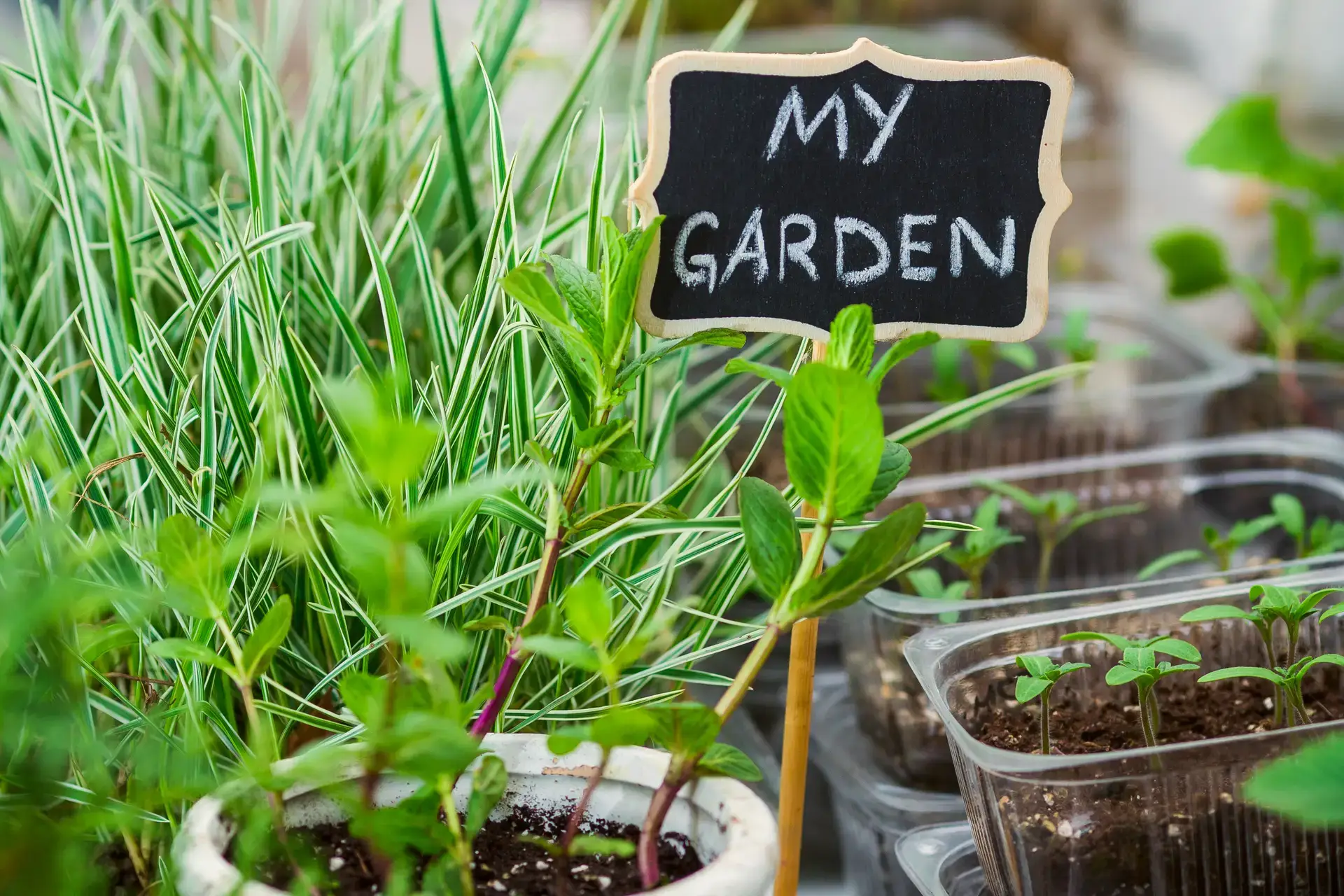
Once COVID hit in 2020 and we all started retreating to our little corners of the world, we soon realized that we were about to have significantly more free time on our hands than we were accustomed to. Some of us took up reading, others learned how to cook, and many decided to take up the skill of gardening.
Once things began to calm down in terms of fear of interacting with others socially, many of us continued to stay home. Some of this was due to the fear of catching COVID and businesses closing. By this point, many of us were deep into the commitment to hobbies we’d taken up during the early years of the pandemic.
Gardening was a renewed hobby for those who felt there was no time to do it but wanted to learn. because of the time Instead of going out to the movies or going to a bar with friends, we could all now devote ourselves to this skilled pastime. Because of the limitations social distancing played on our communities, gardening was something that people could spend significant time on that not only provided something for us to do but something to learn and improve over time. With the constant stress of wondering if we were next to catch COVID (in addition to the stress of day-to-day life wondering what the consequences of COVID would be on a global scale), gardening provided a stress reliever for many. It took our minds off the things we could not control and gave us something to focus on that we could control and grow our knowledge of plant/produce life cycles.
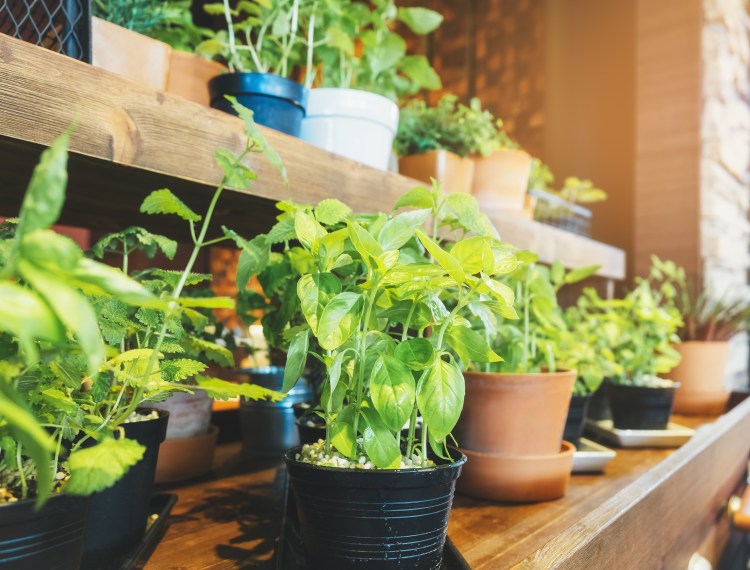
This increasing knowledge of how to grow plants/produce has multiple benefits. Aside from the general expertise of learning where our food comes from, what it takes to grow food, and what we are putting into our food products to grow them, it also benefits us by not having to pay so much for our groceries. We saw the insane prices that shot up in our local grocery stores during the pandemic, and prices have not come down much since 2020. And that’s only about buying groceries—that’s not even talking about the occasional opportunity to dine out.
Being able to grow produce from home and cultivate what is grown in our gardens is significantly less costly than buying groceries from a store and allows us to see what is being put into our food. In other words, we don’t have to add any hormones to the produce that we consume when growing it in a home garden, we have better control over the pesticides of choice that we spray on or near our food.
Most of us didn’t grow up knowing how to take care of plants, let alone start an entire garden. Also, without the space to grow a full-blown garden: so how can we partake in this rewarding hobby to cultivate our own plants/food?
Enter YouTube. The advent of people uploading videos on how to not just start a garden, but also to maintain and flourish one created an entirely new outlet that brings joy.
In a lot of ways, we’ve evolved from our antecedents in our levels of technology and ever-expanding knowledge of the world around us. But in other ways, we seem to be coming back full circle to our roots. We understand as a society the importance of community, and when something like COVID hits, we are reminded just how much we do rely on our social interactions to make each day a little easier to get through. When we lose the opportunity to maintain our normal levels of social interaction, we retreat to old traditions like cooking, sewing, reading, and gardening.
These are commonly shared traditions that everyone has some form of a connection with, and relegating back to these old skills and hobbies ends up connecting us more together in the end. As we are on the other side of the pandemic now, we can talk to our neighbors about how to best grow a tomato plant or visit our parents and help plant an herb garden of their own. Learning to cultivate a garden, whether we realize it or not, ends up connecting us all in the end.